


Embark on a journey into the world of vertical vinyl siding installation, exploring its benefits, installation process, and maintenance tips. This comprehensive guide will equip you with the knowledge needed to transform your home with vertical siding.
Learn about the tools required, the step-by-step installation process, and how to maintain your vertical vinyl siding for long-lasting durability and appeal.
Introduction to Vertical Vinyl Siding Installation
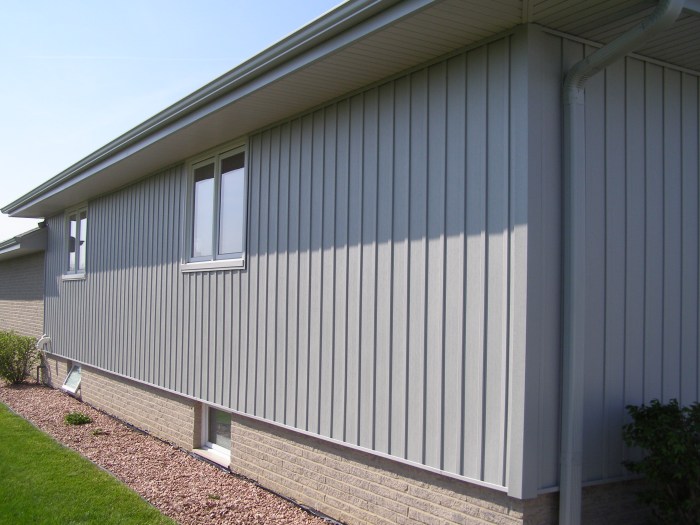
Vertical vinyl siding is a type of exterior cladding material that is installed vertically on the walls of a building. This siding is made of PVC (polyvinyl chloride) resin and offers a range of benefits for homeowners. One of the main advantages of vertical vinyl siding is its durability and low maintenance requirements.
Unlike traditional wood siding, vinyl siding does not need to be painted or stained regularly, making it a cost-effective option in the long run. Additionally, vinyl siding is resistant to rot, insects, and moisture, ensuring that it maintains its appearance and functionality for years to come.Vertical siding is a popular choice among homeowners for its modern and sleek appearance.
The vertical orientation of the siding panels can create a visually appealing look that adds dimension and style to a home's exterior. This design choice can help make a house stand out in the neighborhood and increase its curb appeal.When compared to horizontal siding, vertical vinyl siding offers a unique aesthetic that can make a home look taller and more modern.
Additionally, vertical siding can help draw the eye upwards, accentuating the height of the building. Functionally, vertical siding can provide better protection against water infiltration, as the seams between the panels are less likely to allow moisture to seep in compared to horizontal siding.
Aesthetics and Functionality Comparison
- Vertical vinyl siding offers a contemporary and stylish look that can enhance the overall appearance of a home.
- Vertical siding can make a house appear taller and more modern compared to horizontal siding.
- Functionally, vertical siding provides better protection against water infiltration due to the orientation of the panels.
- Vertical siding is a low-maintenance option that does not require frequent painting or staining.
Preparation for Installation
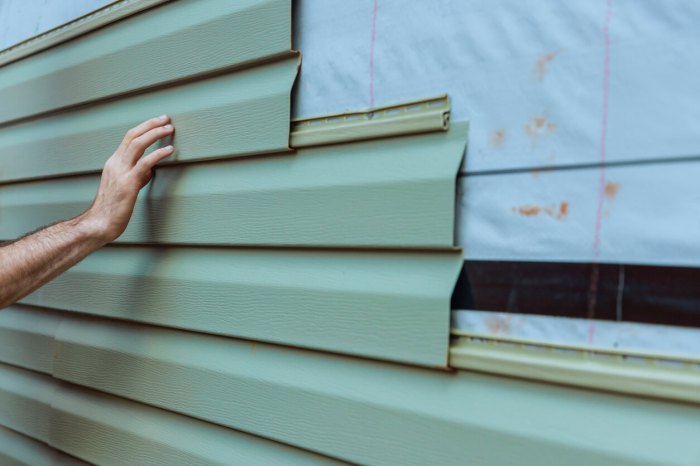
Before starting the vertical vinyl siding installation process, it is crucial to ensure you have the necessary tools and materials ready, prepare the exterior surface properly, and accurately measure the area for ordering the right amount of siding.
Tools and Materials Needed
- Vinyl siding panels
- J-channel
- Utility knife
- Tape measure
- Level
- Nails or screws
- Caulk gun
- Siding removal tool
Preparing the Exterior Surface
Properly preparing the exterior surface before installing vertical siding is essential for a successful installation. This includes:
- Cleaning the surface to remove dirt, debris, and any old siding.
- Repairing any damaged areas, such as rot or holes, to ensure a smooth and even surface.
- Applying a weather-resistant barrier, such as house wrap, to protect against moisture infiltration.
- Checking for level and plumb to ensure the siding will be installed correctly.
Measuring the Area Accurately
Accurately measuring the area where the vertical vinyl siding will be installed is crucial for ordering the right amount of siding. Follow these steps to measure the area accurately:
- Measure the height and width of each wall where siding will be installed.
- Calculate the square footage of each wall by multiplying the height by the width.
- Add up the square footage of all walls to determine the total square footage needed.
- Consider adding 10% extra to account for waste and cuts.
Installation Process
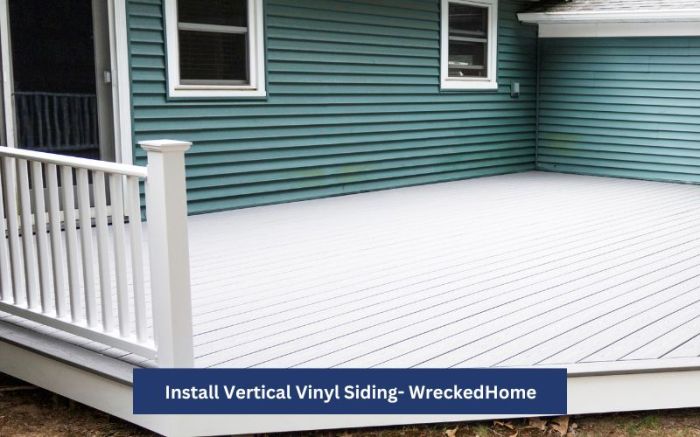
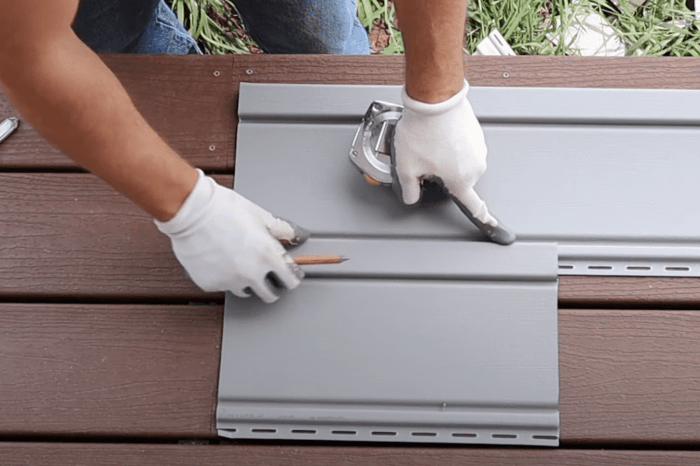
Installing vertical vinyl siding involves several steps to ensure a seamless and secure finish on your walls. Proper cutting and fitting of the siding panels are essential for a professional look, and fastening the siding securely is crucial for durability and longevity.
Cutting and Fitting Siding Panels
- Measure twice, cut once: Before cutting any siding panels, measure the space carefully to ensure accurate cuts.
- Use a sharp utility knife or tin snips: Vertical vinyl siding is typically thinner and easier to cut than horizontal siding, so a sharp tool will provide clean cuts.
- Overlap panels slightly: When fitting the panels together, make sure to overlap them slightly to allow for expansion and contraction with temperature changes.
- Trim excess carefully: If any excess siding is left after installation, trim it carefully to ensure a clean and seamless finish.
Fastening Vertical Siding
- Use nails or screws: Depending on the specific siding manufacturer's recommendations, use either nails or screws to fasten the siding securely to the wall.
- Follow spacing guidelines: Ensure that nails or screws are spaced according to the manufacturer's guidelines to prevent buckling or warping of the siding.
- Avoid over-tightening: Be careful not to over-tighten the fasteners, as this can cause the siding to warp or crack over time.
- Securely fasten end pieces: Pay special attention to securely fastening the end pieces of the siding to prevent them from coming loose in high winds or storms.
Corners and Trim Installation
Installing corner pieces and trim around windows and doors with vertical siding is crucial for achieving a polished and professional look for your home. It not only adds aesthetic appeal but also helps in protecting the edges and ensuring a seamless finish.
Here are some tips and common mistakes to keep in mind during corner and trim installation.
Installing Corner Pieces
- Start by measuring and cutting the corner pieces to fit the height of the wall.
- Secure the corner pieces using nails or screws, making sure they are level and plumb.
- Overlap the vertical siding slightly over the corner pieces to ensure a tight seal and prevent water infiltration.
Installing Trim Around Windows and Doors
- Measure and cut the trim pieces to fit around the windows and doors, leaving a small gap for expansion.
- Use a level to ensure the trim is straight and aligns perfectly with the vertical siding.
- Secure the trim with nails or screws, making sure to caulk any gaps to prevent water damage.
Tips for a Professional Finish
- Take your time and ensure each piece is installed correctly to avoid costly mistakes.
- Use a miter saw to cut precise angles for a seamless look at corners and edges.
- Paint or finish the trim pieces before installation to prevent any damage to the siding.
Common Mistakes to Avoid
- Avoid overdriving nails or screws, as this can damage the siding and compromise its integrity.
- Skipping the caulking step can lead to water infiltration and damage to the siding and underlying structure.
- Not properly aligning the trim with the siding can result in an uneven and unprofessional finish.
Maintenance and Care
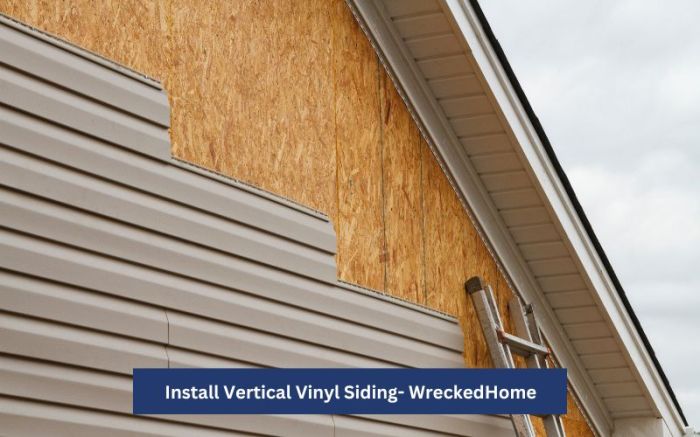
Proper maintenance and care of vertical vinyl siding are essential to ensure its longevity and preserve its appearance. Regular cleaning, timely repairs, and routine inspections can help prevent damage and extend the lifespan of your siding.
Cleaning Vertical Vinyl Siding
- Regularly wash the siding with a mixture of mild soap and water to remove dirt, grime, and mildew.
- Use a soft-bristled brush or a cloth to scrub the surface gently, avoiding harsh chemicals or abrasive tools that could damage the vinyl.
- Rinse the siding thoroughly with clean water to remove any soap residue.
- Consider using a pressure washer on a low setting for tough stains, but be cautious not to apply too much pressure, which may cause water to seep behind the siding.
- Inspect the siding after cleaning to identify any areas that may need repairs.
Repairing Vertical Vinyl Siding
- Address any cracks, chips, or holes in the siding promptly to prevent water infiltration and further damage.
- Use a patching compound specifically designed for vinyl siding to fill in small imperfections.
- Replace damaged panels or sections of siding if necessary to maintain the integrity of the installation.
- Inspect the siding regularly for signs of warping, fading, or other issues that may indicate the need for repairs.
Importance of Regular Inspections
- Regular inspections can help identify potential problems early, allowing for timely repairs and maintenance.
- Check for loose or missing panels, gaps, or gaps in the siding that could allow moisture to penetrate.
- Look for signs of mold, mildew, or insect infestations that may indicate underlying issues with the siding.
- Inspect the caulking around windows, doors, and corners to ensure a tight seal and prevent water intrusion.
- By conducting regular inspections and addressing any issues promptly, you can protect your vertical vinyl siding and prolong its lifespan.
Final Wrap-Up
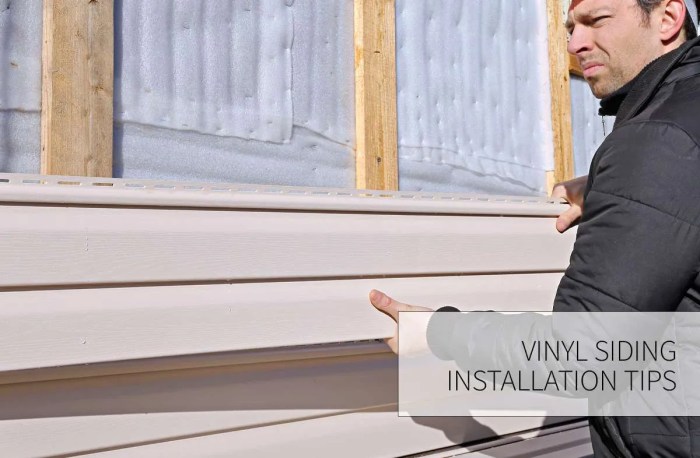
In conclusion, vertical vinyl siding offers a versatile and visually appealing option for homeowners. By following the guidelines provided in this guide, you can enhance the aesthetics and functionality of your home with ease. Dive into the world of vertical siding and elevate your property's exterior today.
Common Queries
How do I prepare the exterior surface for vertical vinyl siding installation?
It is crucial to clean and inspect the surface thoroughly, removing any debris or damage before proceeding with the installation.
Can I install vertical vinyl siding on my own, or should I hire a professional?
While it is possible to install vertical siding independently, hiring a professional can ensure precise and efficient installation, especially for complex areas like corners and trims.
What maintenance tasks are necessary to prolong the lifespan of vertical vinyl siding?
Regular cleaning, inspecting for damage, and promptly repairing any issues can significantly extend the lifespan of vertical siding.