


Dive into the realm of modern vinyl siding installation with this illuminating introduction that delves into the advantages, features, and popularity of this home exterior option.
Learn about the essentials of pre-installation preparation, the detailed installation process, and the crucial maintenance and care tips for keeping your vinyl siding in top shape.
Overview of Modern Vinyl Siding Installation
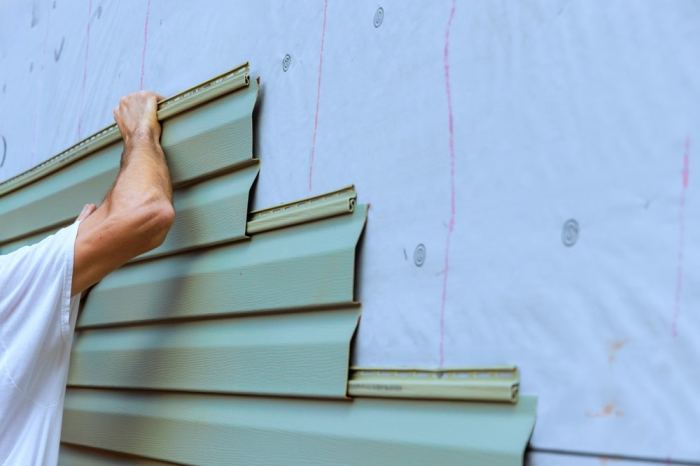
Modern vinyl siding has become a popular choice for homeowners due to its numerous benefits and features.
Benefits of Modern Vinyl Siding
- Low maintenance: Vinyl siding does not require painting and is easy to clean with just soap and water.
- Durability: Modern vinyl siding is designed to withstand harsh weather conditions, such as wind, rain, and extreme temperatures.
- Cost-effective: Vinyl siding is relatively affordable compared to other siding materials and can help reduce energy costs.
- Versatility: Available in a wide range of colors and styles, vinyl siding can complement any home design.
Key Features of Modern Vinyl Siding Materials
- Thickness: Modern vinyl siding is typically thicker, providing better insulation and durability.
- Color retention: Vinyl siding is known for its ability to retain color over time, reducing fading and maintenance.
- Texture options: From smooth to wood grain textures, modern vinyl siding offers various options for a customized look.
- Installation ease: Vinyl siding is lightweight and easy to install, making it a popular choice for DIY projects.
Why Modern Vinyl Siding is a Popular Choice for Homeowners
- Longevity: With proper maintenance, modern vinyl siding can last for decades, providing a long-term investment for homeowners.
- Curb appeal: The aesthetic appeal of vinyl siding enhances the overall look of a home, increasing its value and attractiveness.
- Energy efficiency: Insulated vinyl siding options can improve a home's energy efficiency, reducing heating and cooling costs.
- Environmental impact: Vinyl siding is a sustainable choice, as it can be recycled and has a lower environmental impact compared to other materials.
Pre-Installation Preparation
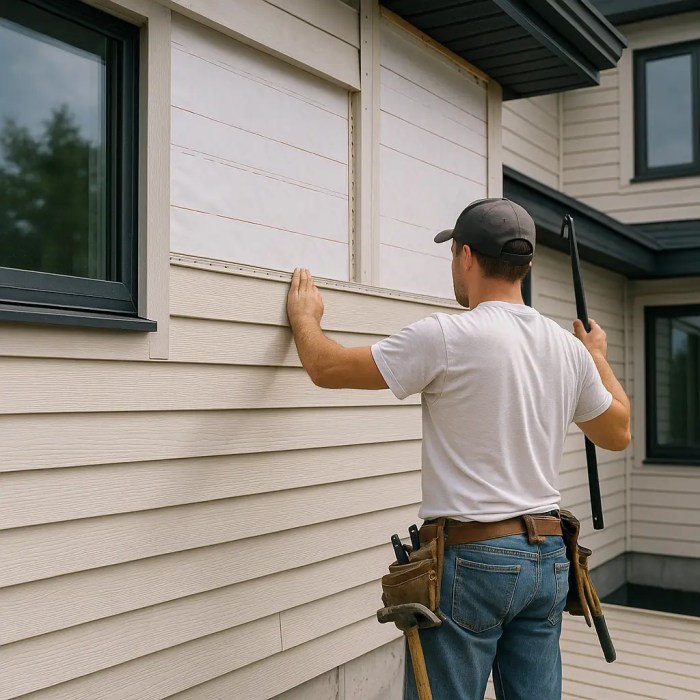
Before starting the installation of modern vinyl siding, it is crucial to properly prepare the exterior surface to ensure a successful and long-lasting result. This involves gathering the necessary tools and equipment, preparing the surface, and accurately estimating the amount of siding needed for the project.
Tools and Equipment Needed
- Utility knife
- Tape measure
- Pry bar
- Level
- Caulk gun
- Nails or screws
- J-channel
- Siding removal tool
- Ladder
Preparing the Exterior Surface
- Inspect the exterior surface for any damage, rot, or mold, and make necessary repairs.
- Clean the surface thoroughly to remove dirt, debris, and any existing paint or siding.
- Apply a moisture barrier or house wrap to protect against water infiltration.
- Install flashing around windows, doors, and corners to prevent water damage.
- Ensure the surface is flat, smooth, and free of any obstacles that could interfere with the siding installation.
Measuring and Estimating Siding Amount
To accurately estimate the amount of siding needed for the project, follow these steps:
- Measure the length and height of each wall where siding will be installed.
- Calculate the square footage of each wall by multiplying the length by the height.
- Add up the square footage of all walls to get the total square footage needed for siding.
- Consider adding 10% to 15% extra siding to account for waste, cutting errors, and future repairs.
Remember to consult with a professional or refer to the manufacturer's guidelines for specific measurements and recommendations.
Installation Process
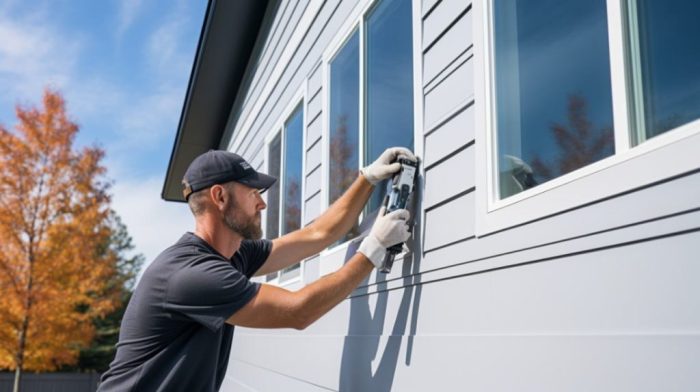
Installing modern vinyl siding involves a step-by-step process that requires precision and attention to detail. From cutting and fitting the panels to securing them properly, each step is crucial to ensure a successful installation.
Cutting and Fitting Vinyl Siding Panels
When cutting vinyl siding panels, it is essential to use the right tools to achieve clean and accurate cuts. A utility knife or vinyl siding snips are commonly used for this purpose. Here are the steps for cutting and fitting vinyl siding panels:
- Measure the length needed and mark the cutting line on the panel.
- Use a straight edge as a guide for the utility knife or snips to ensure a straight cut.
- Score the panel along the cutting line and then snap it along the score line for a clean cut.
- Fit the cut panel into place, ensuring it aligns properly with the adjacent panels.
Securing and Fastening Vinyl Siding
Properly securing and fastening vinyl siding is crucial to prevent it from shifting or coming loose over time. Here are the steps to secure and fasten vinyl siding to the exterior of a building:
- Start by installing the starter strip at the bottom of the wall to provide a secure base for the first row of siding.
- Overlap each panel slightly to allow for expansion and contraction due to temperature changes.
- Use roofing nails or siding nails to attach the panels to the wall, ensuring they are driven in straight and not over-tightened.
- Install J-channel around windows, doors, and corners to provide a clean and finished look.
Maintenance and Care
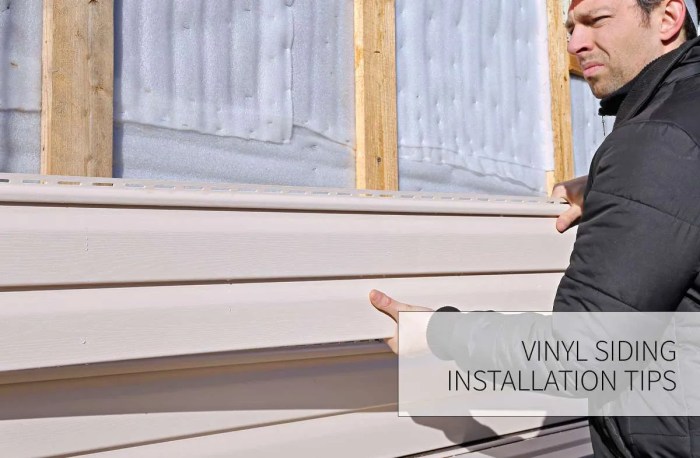
Maintaining and caring for modern vinyl siding is essential to ensure its longevity and keep your home looking its best. By following some simple tips and addressing common issues promptly, you can prolong the lifespan of your vinyl siding and maintain its appearance.
Cleaning and Maintenance Tips
- Regularly wash the siding with a garden hose or pressure washer to remove dirt, dust, and debris.
- Use a soft brush or cloth with a mild detergent to scrub any stubborn stains gently.
- Avoid using harsh chemicals or abrasive cleaners that can damage the vinyl surface.
- Inspect the siding for any signs of damage, such as cracks, chips, or warping, and repair them promptly.
- Trim any overhanging branches or vegetation near the siding to prevent damage and maintain proper airflow.
Common Issues and Solutions
- Color Fading:Over time, vinyl siding colors may fade due to exposure to sunlight. Consider repainting or replacing faded panels to refresh the look of your home.
- Cracking and Warping:Extreme temperature changes can cause vinyl siding to crack or warp. Replace damaged panels to maintain the integrity of the siding.
- Mold and Mildew:Keep an eye out for mold or mildew growth on the siding, especially in damp areas. Clean the affected areas with a solution of water and mildew remover to prevent further growth.
Importance of Regular Inspections
Regular inspections of your vinyl siding can help identify any issues early on and prevent them from worsening. By addressing maintenance needs promptly, you can avoid costly repairs and ensure that your siding remains in good condition for years to come.
Last Point
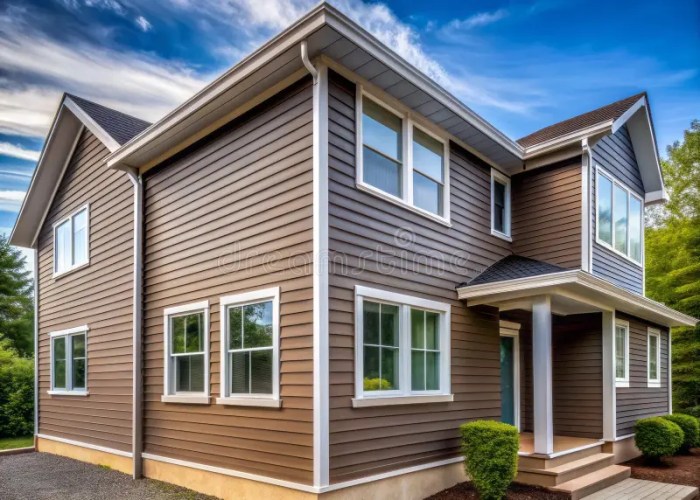
In conclusion, modern vinyl siding installation offers a durable, versatile, and visually appealing solution for homeowners looking to enhance the aesthetics and functionality of their homes. Dive in and discover the world of modern vinyl siding today.
Question & Answer Hub
What are the benefits of modern vinyl siding?
Modern vinyl siding is durable, low maintenance, versatile, and comes in a wide range of colors and styles to suit any home aesthetic.
How do you properly measure and estimate the amount of siding needed for a project?
To calculate the amount of siding needed, measure the height and width of each side of your house, subtract the doors and windows, and then add 10% for waste.
What are some common maintenance tips for modern vinyl siding?
Regularly clean the siding with a mixture of water and mild detergent, inspect for damage or mold, and avoid using abrasive cleaners that can damage the surface.
Why is regular inspection and maintenance important for prolonging the lifespan of vinyl siding?
Regular inspections help catch issues early, prevent damage from worsening, and ensure that the siding remains in top condition for years to come.