


Office building siding installation is a crucial aspect of maintaining the exterior of commercial properties. This process involves selecting the right materials, preparing the building, executing the installation, and ensuring proper maintenance for longevity. In this narrative, we delve into the intricate details of each step, providing valuable insights for a successful siding project.
Types of Siding Materials
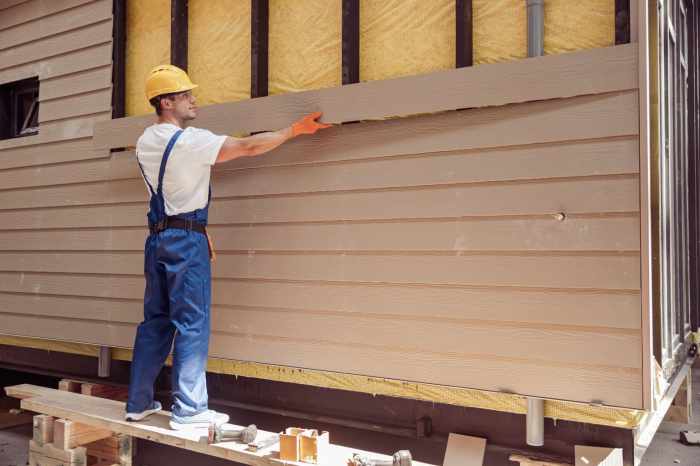
When it comes to choosing siding materials for office building installations, there are several options available, each with its own set of pros and cons.
Vinyl Siding
Vinyl siding is a popular choice due to its affordability and low maintenance requirements. It is also available in a wide range of colors and styles, making it versatile for different design preferences. However, vinyl siding may not be as durable as other materials and can crack or fade over time.
Wood Siding
Wood siding provides a natural and classic look to office buildings. It is environmentally friendly and can be easily painted or stained to match the desired aesthetic. On the downside, wood siding requires regular maintenance, such as painting or sealing, to prevent rot and insect damage.
Fiber Cement Siding
Fiber cement siding is known for its durability and resistance to fire, moisture, and insects. It can mimic the look of wood or masonry at a lower cost. However, fiber cement siding is heavier than other materials, requiring professional installation, and may need repainting over time.
Metal Siding
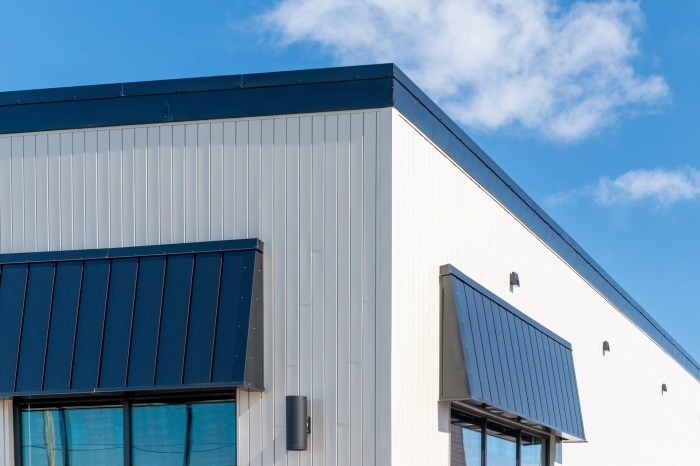
Metal siding, such as steel or aluminum, is extremely durable and can withstand harsh weather conditions. It is also low maintenance and can be recycled, making it an eco-friendly option. On the other hand, metal siding can dent easily and may be more expensive upfront compared to other materials.
Preparation for Siding Installation
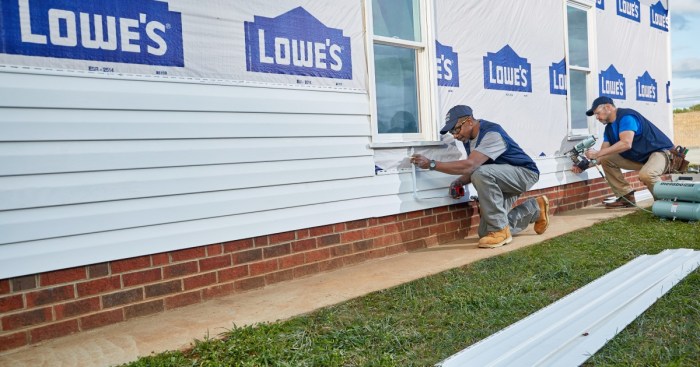
Before beginning the siding installation process on an office building, it is crucial to properly prepare the exterior to ensure a successful outcome. This involves various steps to ensure that the new siding is installed correctly and will provide the desired aesthetic and functional benefits.
Importance of Proper Insulation and Moisture Barriers
Proper insulation and moisture barriers are essential components of any siding installation project. Insulation helps regulate the temperature inside the building, improving energy efficiency and reducing heating and cooling costs. Moisture barriers, such as house wrap or building paper, protect the structure from water infiltration, preventing mold, rot, and other moisture-related issues.
- Install insulation in the walls to improve energy efficiency and provide a comfortable indoor environment.
- Apply a moisture barrier to protect the building from water damage and infiltration.
- Ensure that all seams and joints are properly sealed to prevent air and water leaks.
Structural Repairs or Adjustments Needed
Before installing new siding, it is essential to address any structural repairs or adjustments that may be necessary. This could include repairing damaged or rotted wood, reinforcing the frame, or correcting any issues with the existing exterior walls.
- Inspect the building for any signs of damage, such as rot, mold, or water stains.
- Replace any damaged or deteriorated wood or siding materials before proceeding with the installation.
- Address any structural issues, such as sagging or uneven walls, to ensure a smooth and even surface for the new siding.
Siding Installation Process
Installing siding on an office building requires a systematic approach to ensure a professional finish. Let's walk through the step-by-step process along with the necessary tools and techniques for a successful installation.To begin the siding installation process, you will need the following tools and equipment:
- Tape measure
- Circular saw or utility knife
- Level
- Hammer
- Nail gun
- Siding panels
- J-channel
- Corner posts
- Starter strip
- Fasteners (nails or screws)
Measuring and Cutting Siding Panels
Before cutting the siding panels, accurately measure the dimensions of the walls to determine the required length of each panel. Use a tape measure to ensure precise measurements. Once measured, mark the panels and cut them to size using a circular saw or utility knife.
Make sure to wear appropriate safety gear during this step.
Attaching Siding Panels
Start by installing the starter strip at the bottom of the wall to provide a base for the first row of siding panels. Secure the starter strip using fasteners. Next, affix the J-channel around windows, doors, and corners to create clean edges and transitions.
Install the corner posts at the corners of the building for a finished look.Once the preparation is complete, begin attaching the siding panels from the bottom up. Use a level to ensure the panels are straight and plumb. Secure the panels to the wall using a nail gun or screws, following the manufacturer's guidelines for spacing and fastening.
Make sure to overlap the panels properly to prevent water infiltration and ensure a seamless appearance.By following these steps and using the right tools, you can achieve a professional finish when installing siding on an office building.
Finishing Touches and Maintenance
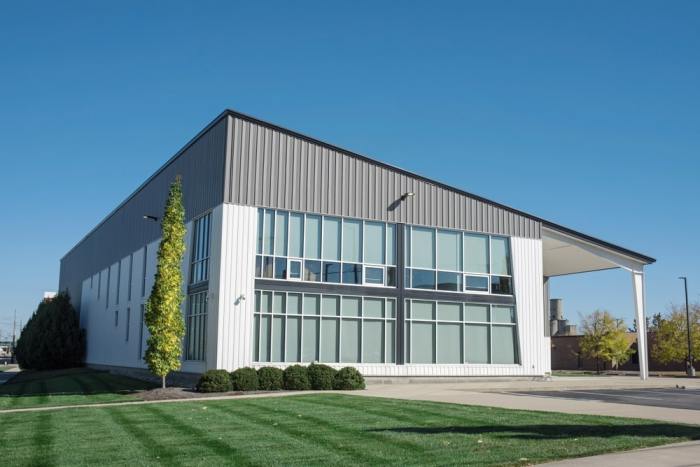
When it comes to office building siding installation, paying attention to finishing touches and maintenance is crucial for ensuring the longevity and appearance of the siding. Proper finishing touches like corner pieces and trim can enhance the overall look of the building, while regular maintenance is essential to prevent damage and preserve the siding materials.
Corner Pieces and Trim
- Corner pieces: These are specially designed pieces that cover the exposed edges of siding panels at the corners of the building. They provide a clean and finished look while also protecting the edges from moisture and other elements.
- Trim: Trim pieces are used to frame windows, doors, and other openings on the building. They not only enhance the aesthetic appeal but also help seal the edges and prevent water infiltration.
Importance of Regular Maintenance
- Regular maintenance is essential to prevent issues like mold, mildew, rot, and insect infestations that can damage the siding.
- Inspect the siding regularly for any signs of damage or wear and tear, and address them promptly to avoid costly repairs in the future.
- Regular cleaning and upkeep can also help maintain the appearance of the siding and prolong its lifespan.
Cleaning and Upkeep Tips for Different Siding Materials
| Siding Material | Cleaning Tips | Maintenance Tips |
|---|---|---|
| Vinyl | Clean with a mixture of water and mild detergent using a soft brush or cloth. Rinse thoroughly with water. | Inspect for cracks or gaps regularly. Replace damaged panels as needed. |
| Wood | Scrub with a solution of water and mild soap. Rinse and let dry completely. Apply a fresh coat of paint or stain as needed. | Seal or paint the wood siding every few years to protect it from moisture and UV damage. |
| Fiber Cement | Use a soft brush or cloth to clean with water and mild detergent. Avoid high-pressure washing. | Check for signs of moisture penetration or chipping. Repair or replace damaged sections promptly. |
Concluding Remarks
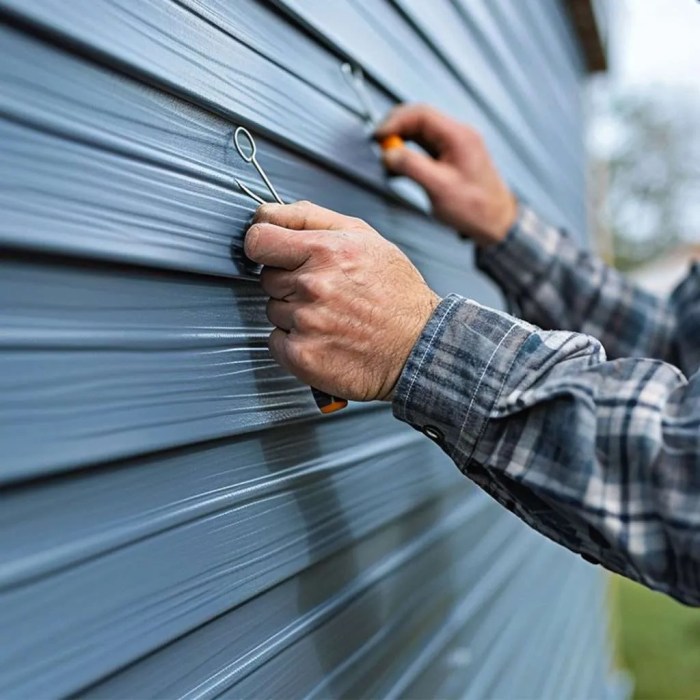
In conclusion, office building siding installation demands attention to detail and adherence to best practices to achieve a durable and visually appealing finish. By following the guidelines Artikeld in this discussion, property owners can enhance the aesthetics and functionality of their office buildings for years to come.
FAQ Guide
What are the best siding materials for office buildings?
Popular siding materials for office buildings include vinyl, wood, fiber cement, and metal, each offering unique advantages and considerations.
How important is proper insulation before siding installation?
Proper insulation is crucial as it helps regulate indoor temperature, improves energy efficiency, and protects the building structure from moisture damage.
What tools are needed for a successful siding installation?
Tools such as a hammer, nails, saw, level, and tape measure are essential for cutting, measuring, and attaching siding panels accurately.
How often should office building siding be maintained?
Regular maintenance, including cleaning and inspections, should be conducted at least once a year to ensure the siding remains in good condition.