


Delving into the world of industrial siding contractors, this article aims to shed light on their crucial role in construction projects. From the materials they use to the challenges they face, get ready to uncover the essentials of industrial siding contracting.
As we navigate through the details, you'll gain valuable insights into the qualifications, skills, installation process, material selection, and maintenance practices of industrial siding contractors.
Overview of Industrial Siding Contractors
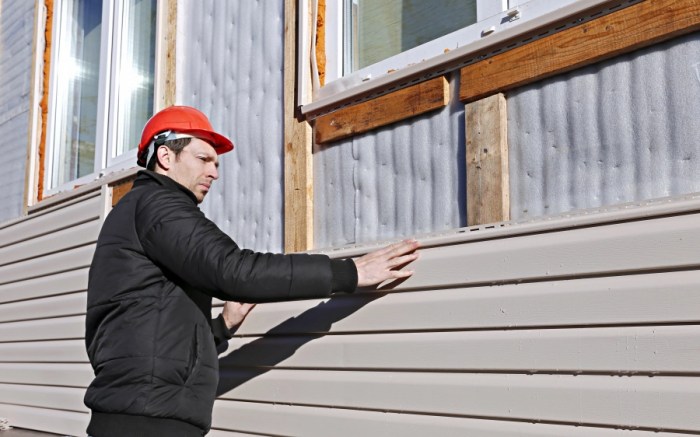
Industrial siding contractors play a crucial role in construction projects by specializing in the installation and maintenance of siding materials on industrial buildings. These contractors are responsible for ensuring that the exterior of industrial facilities is not only aesthetically pleasing but also durable and weather-resistant.
Commonly Used Industrial Siding Materials
- Metal Siding: Metal siding, such as steel or aluminum, is a popular choice for industrial buildings due to its durability and low maintenance requirements.
- Vinyl Siding: Vinyl siding is known for its affordability and versatility, making it a common choice for industrial projects where cost-effectiveness is a priority.
- Fiber Cement Siding: Fiber cement siding offers the look of wood without the maintenance issues, making it a durable and long-lasting option for industrial applications.
- Composite Siding: Composite siding combines various materials to create a siding option that is both durable and environmentally friendly, ideal for industrial projects focused on sustainability.
Importance of Hiring Specialized Contractors
Industrial siding projects require specialized knowledge and expertise to ensure that the siding materials are installed correctly and effectively. By hiring specialized industrial siding contractors, businesses can benefit from:
- Expertise in material selection: Contractors can recommend the most suitable siding materials based on the specific needs and requirements of the industrial facility.
- Precision installation: Specialized contractors have the skills and experience to install siding materials accurately, ensuring a seamless and long-lasting finish.
- Compliance with regulations: Industrial siding contractors are familiar with building codes and regulations, ensuring that the siding installation meets all necessary standards.
- Efficient project completion: By working with specialized contractors, industrial projects can be completed in a timely manner, minimizing downtime and disruptions to operations.
Qualifications and Skills
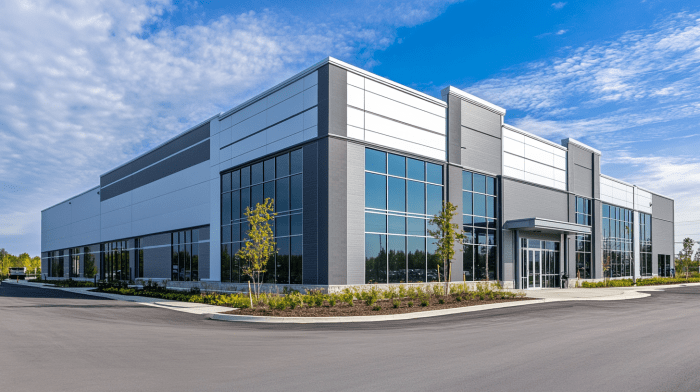
Industrial siding contractors need to possess specific qualifications, certifications, and skills to ensure successful installations and adherence to safety standards.
Necessary Qualifications and Certifications
- Completion of a relevant apprenticeship program or vocational training in construction or siding installation.
- Certification in industrial siding installation from recognized organizations such as the SIDING Institute.
- Valid contractor's license to operate legally in the industry.
Skills Required for Successful Industrial Siding Installations
- Proficiency in reading and interpreting blueprints and technical drawings to plan installations accurately.
- Knowledge of various siding materials, their properties, and installation techniques.
- Experience in using specialized tools and equipment for cutting, shaping, and fastening siding materials.
- Ability to work effectively in a team and communicate clearly with clients and other construction professionals.
Safety Measures for Industrial Siding Contractors
- Strict adherence to Occupational Safety and Health Administration (OSHA) regulations and guidelines for construction sites.
- Proper training in handling hazardous materials commonly used in industrial siding installations.
- Regular inspection and maintenance of personal protective equipment (PPE) to ensure safety on the job site.
- Implementation of fall protection measures, such as harnesses and guardrails, when working at elevated heights.
Industrial Siding Installation Process
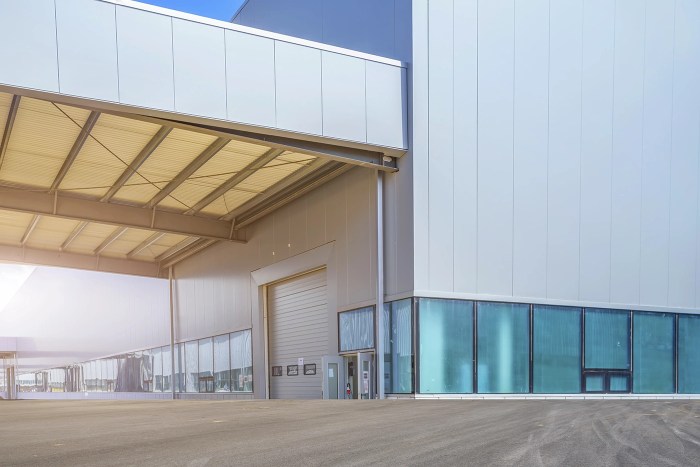
When it comes to industrial siding installation, contractors follow a specific step-by-step process to ensure a successful outcome. Let's delve into the details of how industrial siding contractors tackle installations, the challenges they may face, and tips for a smooth installation process.
Step-by-Step Installation Process
- Site Assessment: Industrial siding contractors begin by assessing the site to determine the specific requirements and challenges of the project.
- Material Selection: Choosing the right materials is crucial for industrial siding installations, considering factors like durability and weather resistance.
- Preparation: The area where the siding will be installed is prepared by cleaning, leveling, and ensuring proper insulation.
- Installation: The siding panels are carefully installed following manufacturer guidelines and industry best practices.
- Finishing Touches: Contractors complete the installation by adding necessary trims, seals, and finishing touches to ensure a polished look.
Challenges Faced by Contractors
- Weather Conditions: Adverse weather can delay or disrupt the installation process, requiring contractors to adapt and reschedule accordingly.
- Structural Issues: Unexpected structural problems in the building can pose challenges during installation, requiring additional expertise and resources.
- Safety Concerns: Working at heights and handling heavy materials can present safety risks for contractors, necessitating strict adherence to safety protocols.
Tips for a Smooth Installation Process
- Communication: Clear and open communication between contractors, clients, and team members is essential for a successful installation.
- Planning: Thorough planning and preparation before the installation can help anticipate and mitigate potential challenges.
- Quality Assurance: Regular inspections and quality checks throughout the installation process ensure that the work meets industry standards.
- Flexibility: Being adaptable and flexible in the face of unexpected challenges can help contractors navigate obstacles more effectively.
Material Selection and Recommendations
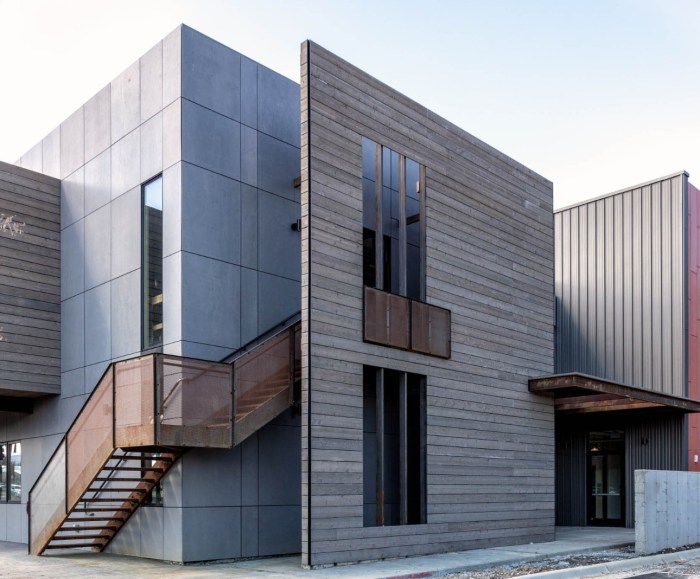
Industrial siding materials play a crucial role in the overall performance and appearance of industrial buildings. When choosing the most suitable siding material for specific applications, factors such as durability, cost, aesthetics, and environmental impact should be carefully considered. Here, we will compare different industrial siding materials and provide recommendations for selecting the best option.
Different Industrial Siding Materials
Industrial siding materials vary in terms of durability, cost, aesthetics, and environmental impact. Here is a comparison of some common industrial siding materials:
- Metal Siding:Metal siding, such as steel or aluminum, is known for its durability and low maintenance requirements. While it can be more expensive upfront, it offers excellent longevity and resistance to harsh weather conditions.
- Vinyl Siding:Vinyl siding is a cost-effective option that comes in a variety of colors and styles. It is relatively low maintenance but may not be as durable as metal siding.
- Fiber Cement Siding:Fiber cement siding is a durable and fire-resistant option that can mimic the look of wood or stucco. It is more expensive than vinyl but offers better longevity.
- Wood Siding:Wood siding provides a natural and traditional look to industrial buildings. While it is aesthetically pleasing, it requires more maintenance to prevent rot and insect damage.
Recommendations for Choosing Siding Materials
When selecting siding materials for industrial applications, consider the following recommendations:
- Assess the specific needs of the industrial building, such as weather conditions, maintenance requirements, and budget constraints.
- Choose a siding material that offers the right balance between durability, cost-effectiveness, and aesthetics.
- Consult with a professional industrial siding contractor to determine the most suitable material for the project.
Environmental Impact of Industrial Siding Materials
The environmental impact of industrial siding materials should also be taken into account when making a selection. Consider the following factors:
- Recyclability:Opt for siding materials that are recyclable or made from sustainable sources to reduce environmental impact.
- Energy Efficiency:Choose materials that offer good insulation properties to improve energy efficiency and reduce heating/cooling costs.
- Longevity:Select siding materials that have a long lifespan to minimize the need for frequent replacements and waste generation.
Maintenance and Repair
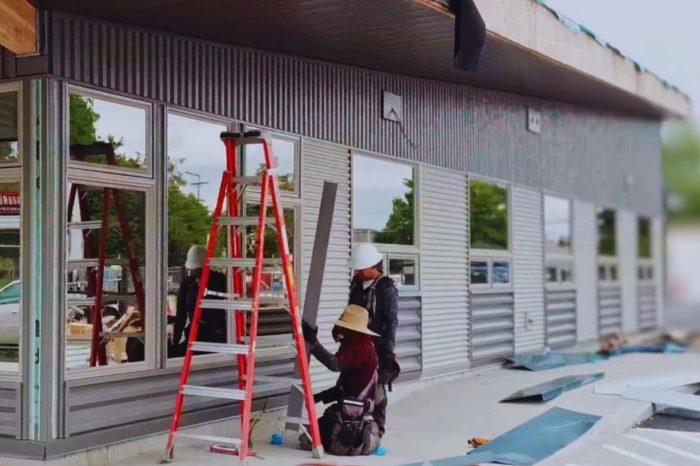
Maintaining and repairing industrial siding is crucial to ensure the longevity and functionality of the building. Industrial siding contractors often recommend specific maintenance tasks to their clients to prevent costly repairs in the future. It is essential to address any issues promptly and follow proper maintenance procedures to extend the lifespan of industrial siding.
Maintenance Tasks
- Regular Cleaning: Regularly clean the industrial siding to remove dirt, debris, and other contaminants that can cause damage over time. Use mild soap and water for cleaning.
- Inspection: Conduct regular inspections to identify any signs of damage such as cracks, dents, or loose panels. Addressing these issues early can prevent further damage.
- Sealing and Caulking: Ensure that all seams, joints, and connections are properly sealed and caulked to prevent water infiltration, which can lead to moisture damage.
Common Repair Issues
- Denting and Scratching: Industrial siding can get dented or scratched due to impact or wear and tear. Contractors may need to repair or replace damaged panels.
- Water Damage: Water infiltration can cause rot, mold, and mildew, leading to structural issues. Contractors may need to replace affected sections and address the underlying cause.
- Fading and Discoloration: Exposure to the sun and harsh weather conditions can cause industrial siding to fade or discolor. Contractors may recommend repainting or replacing faded panels.
Tips for Extending Lifespan
- Regular Maintenance: Follow a regular maintenance schedule to keep industrial siding in optimal condition.
- Address Issues Promptly: Address any signs of damage or wear immediately to prevent further deterioration.
- Use Quality Materials: Invest in high-quality industrial siding materials that are durable and resistant to environmental factors.
Ending Remarks
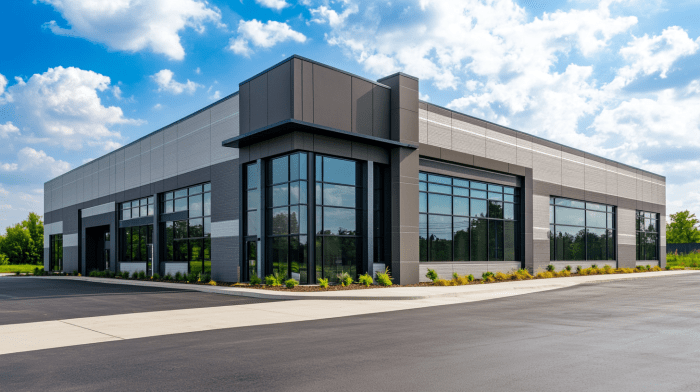
In conclusion, industrial siding contractors play a vital role in ensuring the durability and aesthetic appeal of industrial structures. By understanding their expertise and following the recommended tips, you can embark on your next industrial siding project with confidence.
Top FAQs
What are some common industrial siding materials used by contractors?
Common industrial siding materials include metal panels, fiber cement, and vinyl.
What qualifications are required for industrial siding contractors?
Industrial siding contractors typically need certifications in siding installation and relevant construction experience.
How can I extend the lifespan of industrial siding?
Regular cleaning, inspections, and prompt repairs can help extend the lifespan of industrial siding.