


Delve into the world of contemporary siding styles with this detailed guide that unveils the beauty and functionality of different options available in the market. From vertical to horizontal, shingle to panel siding, get ready to discover the perfect fit for your home.
Learn about the various materials, color trends, and installation techniques that can enhance the aesthetic appeal of your house and make a lasting impression on guests and passersby.
Types of Contemporary Siding Styles
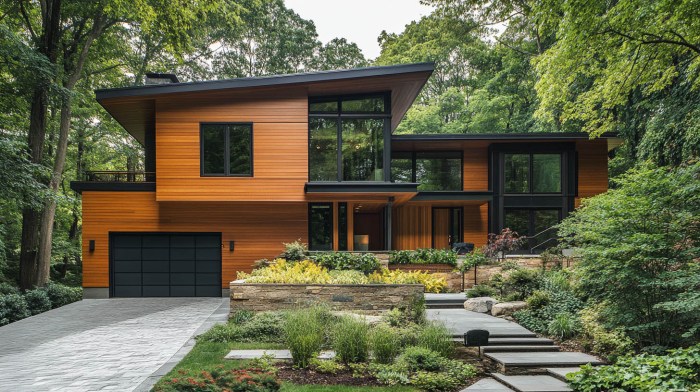
Contemporary siding styles offer a variety of options to enhance the exterior of your home. Let's explore the different types available in the market and their unique features.
Vertical Siding
Vertical siding is a popular choice for modern homes, creating a sleek and elegant look. It can make a home appear taller and more spacious. Examples of homes with vertical siding include minimalist and contemporary designs, adding a touch of sophistication to the overall aesthetic.
Horizontal Siding
Horizontal siding is a classic option that provides a traditional and timeless appearance. It can create a sense of width for a home and is often seen in more traditional or farmhouse-style residences. Homes with horizontal siding exude a cozy and welcoming vibe.
Shingle Siding
Shingle siding offers a unique and textured look to a home's exterior. It can add depth and character, giving a rustic or coastal feel. Homes with shingle siding often have a charming and distinctive appeal, standing out from the typical siding styles.
Panel Siding
Panel siding is a versatile choice that can mimic the look of wood, metal, or other materials. It provides a clean and contemporary appearance, suitable for various architectural styles. Homes with panel siding showcase a modern and streamlined design, perfect for a minimalist or industrial aesthetic.
Material Options for Contemporary Siding
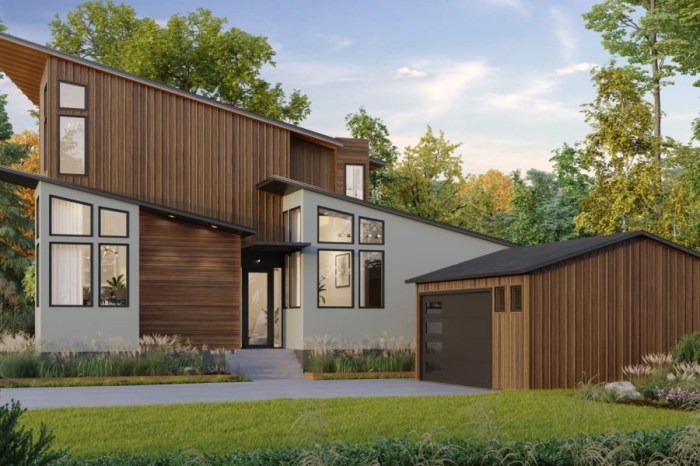
Vinyl, wood, fiber cement, metal, and composite are popular materials used for contemporary siding. Each material has its own set of pros and cons in terms of durability, maintenance, cost, and eco-friendliness, which can greatly impact the overall look and feel of a home's exterior.
Vinyl Siding
Vinyl siding is a low-cost, low-maintenance option that comes in a variety of colors and styles. It is durable, resistant to rot and insects, but can crack or fade over time. Its eco-friendliness is debatable due to its plastic composition.
Wood Siding
Wood siding provides a natural and timeless look to a home. It is biodegradable, but requires regular maintenance like painting or staining. While it is eco-friendly, wood can be prone to rot, insects, and fire, depending on the type of wood used.
Fiber Cement Siding
Fiber cement siding is a durable and low-maintenance option that mimics the look of wood or stucco. It is resistant to rot, fire, and insects, but can be heavier and more costly to install. Its eco-friendliness comes from its composition of cement, sand, and cellulose fibers.
Metal Siding
Metal siding, such as steel or aluminum, is known for its strength and longevity. It is resistant to rot, fire, and insects, but may dent or rust over time. Metal siding is recyclable, making it an eco-friendly choice.
Composite Siding
Composite siding combines various materials like wood, vinyl, and cement to create a durable and low-maintenance option. It is versatile in design, but can be more expensive upfront. The eco-friendliness of composite siding depends on the materials used in its composition.
Color Trends in Contemporary Siding
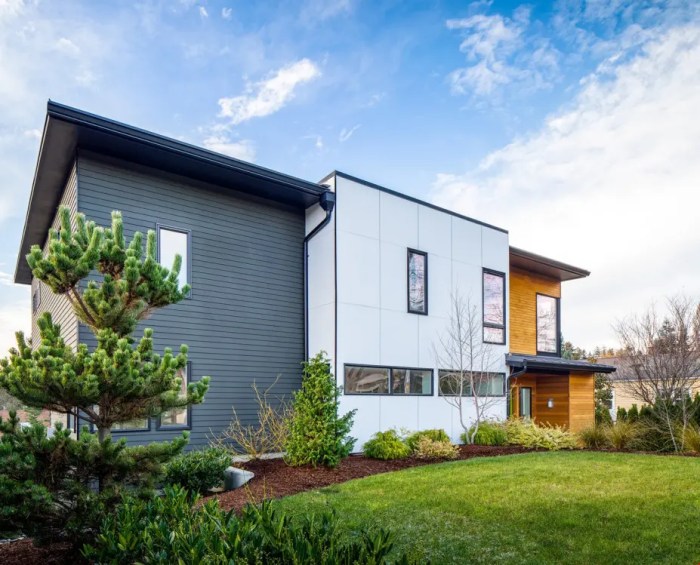
When it comes to contemporary siding, color plays a crucial role in defining the overall look and feel of a house. The right color can enhance architectural features, complement landscaping, and even create an illusion of size and style.
Impact of Color on Perception
Choosing the perfect siding color can greatly influence how a house is perceived. Lighter colors tend to make a house appear larger, while darker colors can add a sense of coziness and sophistication. Bold, vibrant colors can make a statement, while neutral tones provide a timeless and elegant look.
Tips for Selecting the Right Siding Color
- Consider the architectural style of your home: Certain siding colors work better with specific architectural styles. For example, a modern home may benefit from sleek, monochromatic colors, while a traditional house might look best with earthy tones.
- Take landscaping into account: The colors in your landscaping, such as trees, flowers, and shrubs, can influence the best siding color choice. Consider how the siding will complement the natural elements around your home.
- Think about the overall ambiance: Do you want your home to exude warmth and welcome, or do you prefer a more contemporary and edgy look? The siding color can help set the tone for the entire property.
- Sample before committing: It's always a good idea to test out a few different siding colors on your home before making a final decision. Factors like natural light and surrounding buildings can affect how a color appears.
Installation Techniques for Contemporary Siding
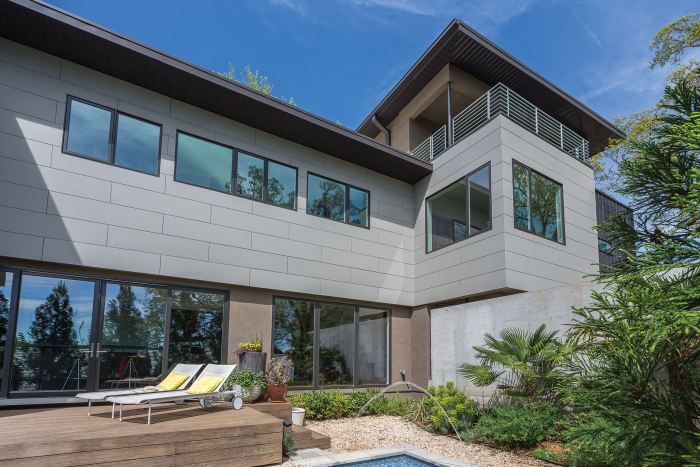
Installing contemporary siding on a residential building requires careful planning, proper tools, and attention to detail to ensure a successful outcome. Here, we will Artikel the step-by-step process, the importance of preparation, the necessary tools, and safety measures during installation.
Step-by-Step Process of Installing Contemporary Siding
- Prepare the surface: Ensure the surface is clean, smooth, and free of any debris or old siding.
- Measure and cut the siding: Take accurate measurements of the area to be covered and cut the siding panels accordingly.
- Install the starter strip: Begin by installing the starter strip at the bottom of the wall to provide a base for the siding panels.
- Attach the siding panels: Secure the siding panels to the wall using nails or screws, making sure they are level and properly aligned.
- Finish the corners and edges: Use corner pieces and trim to complete the look and ensure a seamless finish.
- Inspect and clean up: Once the siding is installed, inspect the work for any gaps or imperfections, and clean up any debris.
Importance of Proper Preparation, Tools, and Safety Measures
- Proper preparation ensures a smooth installation process and a professional-looking finish.
- The right tools, such as a saw, hammer, level, and safety gear, are essential for a safe and efficient installation.
- Safety measures, including wearing gloves, goggles, and proper footwear, are crucial to prevent accidents and injuries during installation.
Hiring Professionals versus DIY Installation
- Professionals have the experience and expertise to handle complex installations and ensure a high-quality finish.
- DIY installation can be cost-effective but may require more time, effort, and skill to achieve professional results.
- Consider your budget, timeline, and confidence in your abilities when deciding between hiring professionals or opting for DIY installation.
Ending Remarks
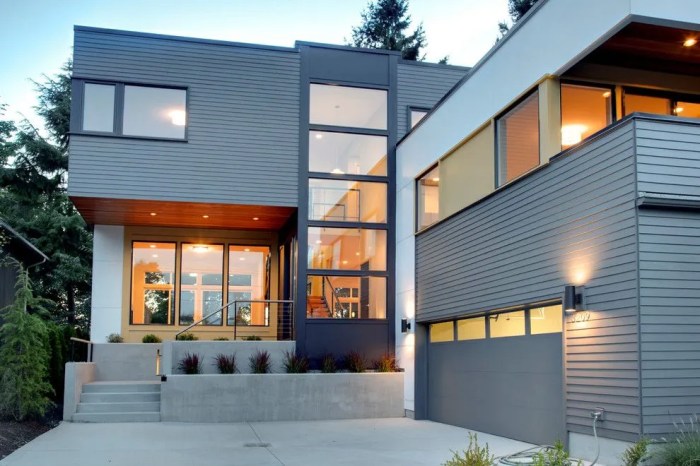
In conclusion, contemporary siding styles offer a versatile way to transform the look of any home. By understanding the types, materials, colors, and installation methods discussed, you can make informed decisions to create a stunning exterior that reflects your personal style.
Take the first step towards a modern and stylish home today!
FAQ
What are the main types of contemporary siding styles?
Contemporary siding styles include vertical, horizontal, shingle, and panel siding, each offering a unique aesthetic appeal.
Which material is the most durable for contemporary siding?
Fiber cement is known for its durability, requiring minimal maintenance and offering long-lasting performance.
How do colors affect the overall look of a house with contemporary siding?
Colors can impact the perceived size, style, and ambiance of a house, so choosing the right siding color is crucial to complement architectural features and landscaping.
Is professional installation recommended for contemporary siding?
Professional installation ensures proper preparation, safety measures, and a flawless finish, although some DIY enthusiasts may opt for self-installation with the right tools and knowledge.