


As you delve into the world of vinyl siding installation near me, you'll uncover a wealth of information that can transform your home. From the benefits of vinyl siding to the intricacies of the installation process, this guide will equip you with all you need to know.
Exploring the various stages of installation and maintenance tips, you'll be well-prepared to make informed decisions for your home's exterior.
Overview of Vinyl Siding Installation
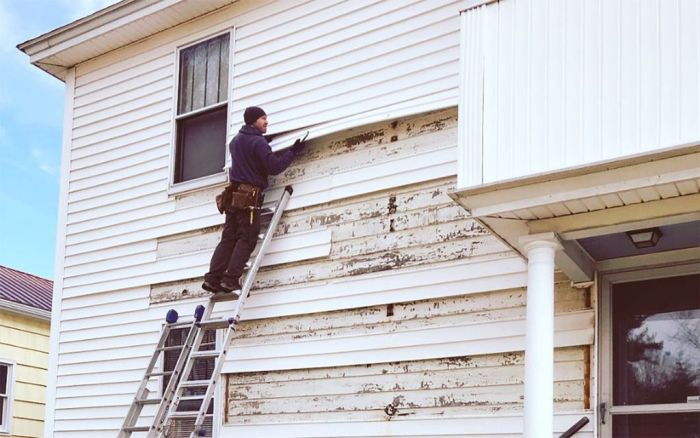
Vinyl siding is a popular choice for homeowners due to its durability, low maintenance, and versatility in design. It is known for its ability to withstand harsh weather conditions, resist fading, and not rot or warp like traditional wood siding.
Benefits of Vinyl Siding
- Low maintenance: Vinyl siding requires minimal upkeep, only needing occasional cleaning with soap and water.
- Durability: It can last for many years without needing to be replaced, saving homeowners on repair costs.
- Versatility: Available in a wide range of colors and styles, allowing homeowners to customize the look of their home.
Typical Process of Vinyl Siding Installation
- Preparation: The existing siding is removed, and the exterior of the house is inspected for any repairs needed.
- Insulation: Insulation is added to improve energy efficiency and protect against moisture.
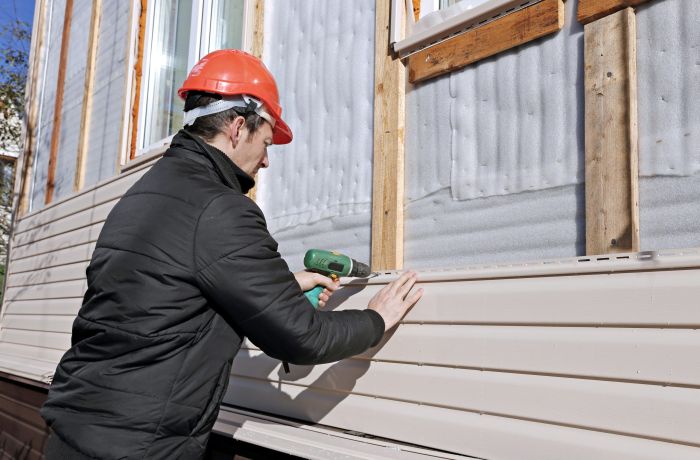
- Installation: The vinyl siding panels are carefully measured, cut, and attached to the exterior of the house.
- Finishing touches: J-channels, corner pieces, and trim are installed to complete the look and ensure a seamless finish.
Key Factors to Consider Before Installing Vinyl Siding
- Climate: Consider the weather conditions in your area to choose a siding that can withstand harsh elements.
- Budget: Determine your budget for the project, including the cost of materials, labor, and any additional features.
- Curb appeal: Select a vinyl siding style and color that complements the architectural design of your home.
Finding Local Vinyl Siding Installation Services
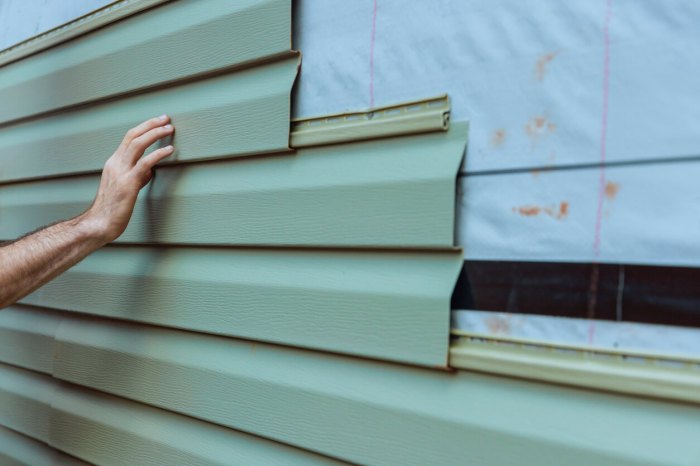
When looking for local vinyl siding installation services, it's important to take certain steps to ensure you find a reputable contractor that meets your needs. Here are some tips to help you in your search:
Research Local Contractors
- Start by researching local contractors in your area who specialize in vinyl siding installation. Look for companies with a good reputation and years of experience in the industry.
- Check online reviews and ratings on trusted websites to get an idea of the quality of work and customer satisfaction level of each contractor.
- Ask friends, family, or neighbors for recommendations on contractors they have used and were satisfied with.
Check Reviews and References
- Before making a decision, be sure to check references provided by the contractor. Contact past clients to inquire about their experience and the quality of work done.
- Read through online reviews and testimonials to gain insight into the contractor's reputation and reliability. Look for patterns in feedback to make an informed decision.
- Verify the contractor's credentials, licenses, and insurance to ensure they are qualified to perform the job safely and effectively.
Compare Quotes from Different Services
- Obtain quotes from multiple installation services to compare pricing, services offered, and timelines for completion. Make sure the quotes are detailed and include all aspects of the project.
- Don't automatically choose the lowest bid. Consider the overall value, reputation, and quality of work offered by each contractor before making a decision.
- Ask about any warranties or guarantees provided by the contractor to protect your investment in the long run.
Preparing for Vinyl Siding Installation
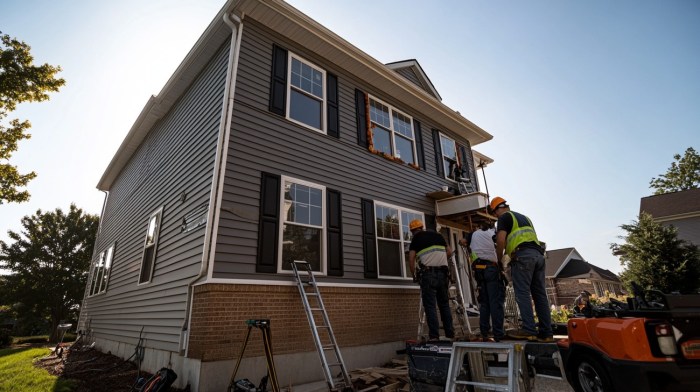
When getting ready for vinyl siding installation, it's essential to ensure that the exterior of your house is properly prepared. This involves taking necessary steps to make sure the installation process goes smoothly and the end result is satisfactory.
Steps for Preparing the Exterior
- Thoroughly clean the exterior of the house to remove dirt, dust, and debris. This will help the siding adhere properly.
- Inspect the walls for any signs of damage, such as rot or mold, and make necessary repairs before proceeding with the installation.
- Remove any existing siding or trim that may interfere with the installation of the new vinyl siding.
- Ensure that the exterior walls are properly insulated to improve energy efficiency and provide a stable surface for the siding.
Repairs or Upgrades Needed
- If there are any structural issues, such as water damage or rot, these should be addressed before installing vinyl siding to prevent further damage.
- Consider upgrading the insulation of the house to improve energy efficiency and reduce heating and cooling costs in the long run.
- Inspect the windows and doors for proper sealing and address any issues to prevent air leakage and improve insulation.
Selecting the Right Type and Color
- Choose a high-quality vinyl siding that suits the style of your home and provides durability and low maintenance.
- Consider the climate of your area when selecting the type of vinyl siding to ensure it can withstand the local weather conditions.
- Select a color that complements the overall aesthetic of your home and enhances its curb appeal.
The Vinyl Siding Installation Process
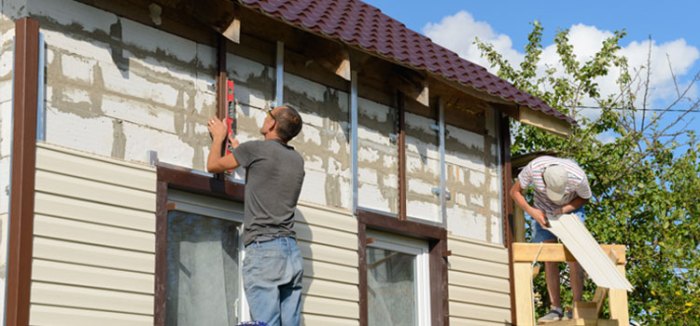
When it comes to vinyl siding installation, there are several stages involved in the process. From preparation to finishing touches, each step is crucial to ensure a successful installation.
Stages of Vinyl Siding Installation
- Preparation of the exterior walls, including cleaning and inspecting for any repairs needed.
- Measurement and cutting of the vinyl siding panels to fit the specific dimensions of the house.
- Installation of the starter strip at the bottom of the wall to secure the first row of siding.
- Securing the vinyl siding panels to the wall, making sure they are leveled and aligned properly.
- Adding trim pieces, such as corner posts and J-channels, to complete the look and provide a clean finish.
- Final inspection to ensure everything is installed correctly and securely.
Duration of Vinyl Siding Installation
A typical vinyl siding installation can take anywhere from a few days to a week, depending on the size of the house and any unforeseen challenges that may arise during the process. Factors like weather conditions and the experience of the installation crew can also impact the timeline.
Special Considerations during Installation
- Weather conditions can affect the installation process, so it's important to schedule the installation during a time when the weather is favorable.
- Properly addressing any existing damage or issues with the exterior walls before installing the vinyl siding is crucial for a long-lasting result.
- Working with an experienced and reputable vinyl siding installation crew can help prevent any challenges or mistakes during the process.
Maintenance and Care Tips for Vinyl Siding
When it comes to maintaining and caring for your vinyl siding, following some best practices can help keep it looking great and functioning well for years to come. Regular cleaning and inspections are key to ensuring your vinyl siding stays in top condition.
Cleaning and Inspections
- It's recommended to clean your vinyl siding at least once a year to remove dirt, grime, and mildew buildup. Use a mild soap solution and a soft brush or cloth to gently scrub the siding.
- Inspect your vinyl siding regularly for any signs of damage, such as cracks, warping, or loose panels. Addressing these issues promptly can prevent further damage and maintain the integrity of your siding.
Addressing Common Issues
- If you notice any mold or mildew on your vinyl siding, mix water with a mildew cleaner and scrub the affected areas. Rinse thoroughly with water to remove any residue.
- To prevent discoloration or fading of your vinyl siding, avoid using harsh chemicals or abrasive cleaning tools. Stick to gentle cleaning solutions and soft materials to protect the color and finish of your siding.
- In case of stubborn stains or marks on your vinyl siding, consider using a vinyl siding cleaner specifically designed to remove tough stains without damaging the surface.
Epilogue
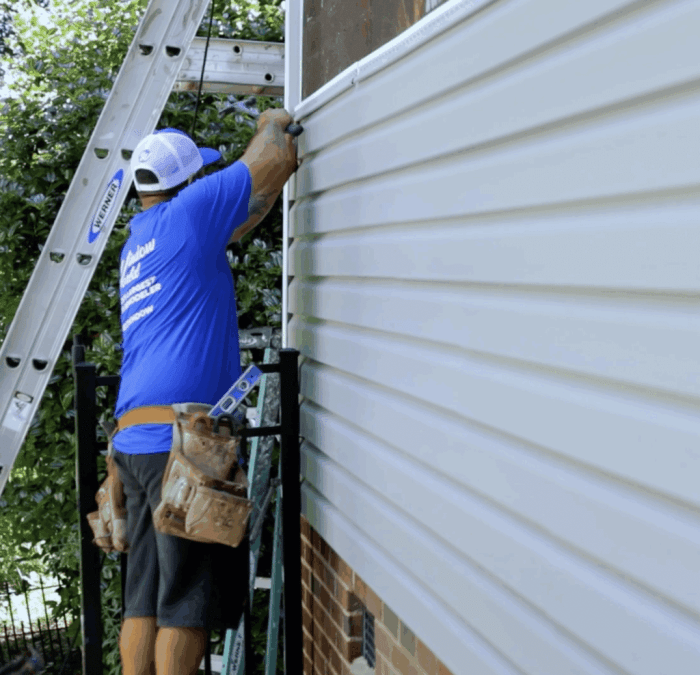
In conclusion, vinyl siding installation near me offers a durable and aesthetically pleasing option for homeowners. By following the steps Artikeld in this guide, you can ensure a successful installation process and long-lasting results.
User Queries
What are the benefits of vinyl siding?
Vinyl siding is durable, low maintenance, and comes in a variety of colors and styles.
How do I find reputable local contractors for vinyl siding installation near me?
Look for contractors with positive reviews, ask for references, and compare quotes from multiple services.
What steps are involved in preparing a house for vinyl siding installation?
Preparing the exterior involves cleaning, repairing any damage, and selecting the right type and color of siding.
How long does a typical vinyl siding installation take?
The timeframe can vary but generally takes a few days to complete.
What are some common maintenance tips for vinyl siding?
Regular cleaning, inspections, and addressing issues promptly can help maintain the siding's appearance and longevity.