


In the realm of home exteriors, waterproof vinyl siding systems emerge as a reliable and practical choice. This article delves into the world of waterproof vinyl siding, shedding light on its benefits, components, installation process, and maintenance tips. Get ready to discover how this innovative system can transform your home.
Introduction to Waterproof Vinyl Siding Systems
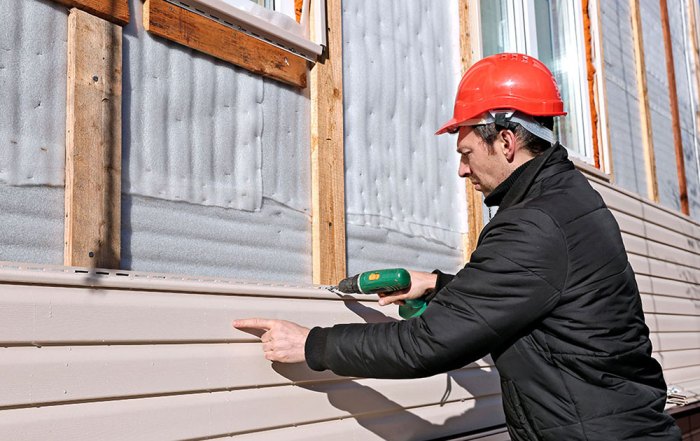
Waterproof vinyl siding systems are exterior cladding materials made from polyvinyl chloride (PVC) that are designed to resist water infiltration and protect the underlying structure of a building from moisture damage. These siding systems are engineered to be durable, low-maintenance, and highly resistant to harsh weather conditions.
Benefits of Waterproof Vinyl Siding
- Waterproof: Vinyl siding is inherently waterproof, preventing water from seeping into the walls and causing rot or mold growth.
- Durability: Vinyl siding is known for its long-lasting performance, resisting damage from impact, pests, and UV exposure.
- Low Maintenance: Vinyl siding requires minimal upkeep, only needing occasional cleaning to maintain its appearance.
- Versatility: Available in a wide range of colors and styles, vinyl siding can complement any architectural design.
Importance of Waterproofing in Siding Systems
Waterproofing is crucial in siding systems to protect the structural integrity of a building. Without proper waterproofing, moisture can penetrate the walls, leading to rot, mold, and costly repairs. Waterproof vinyl siding provides a barrier against water intrusion, ensuring the longevity and stability of the structure.
Components of Waterproof Vinyl Siding Systems
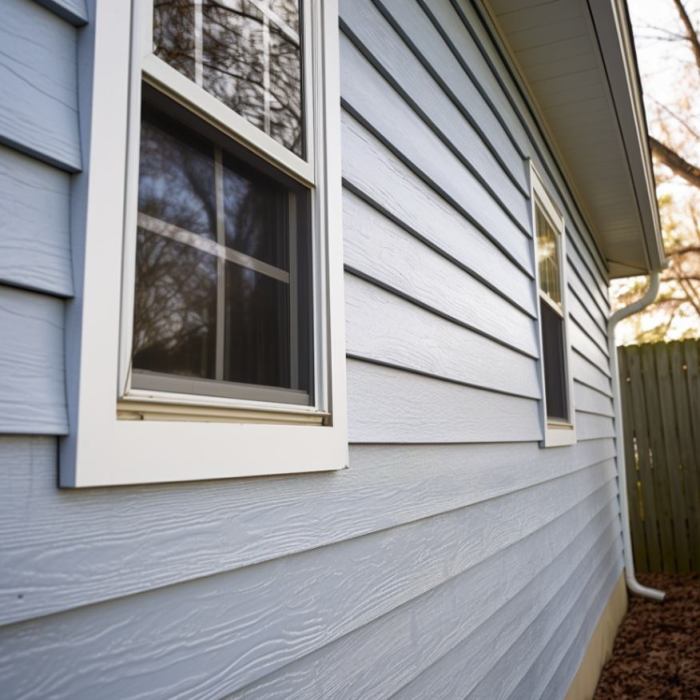
When it comes to waterproof vinyl siding systems, there are several key components that work together to ensure maximum protection against moisture and water damage. Let's take a closer look at each of these essential components and how they contribute to the overall waterproofing of the system.
Vinyl Siding Panels
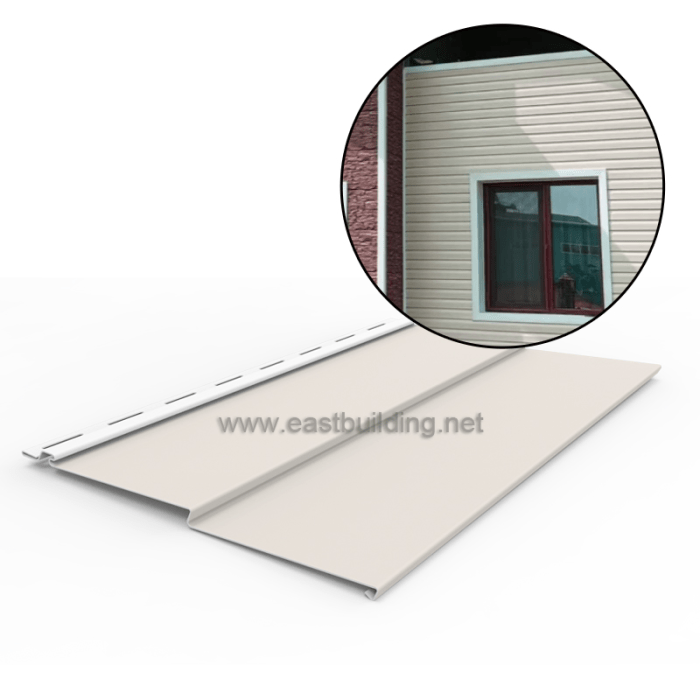
Vinyl siding panels are the main component of any siding system. These panels are made from polyvinyl chloride (PVC) and are designed to be durable, weather-resistant, and waterproof. The panels are installed on the exterior of the building to provide a protective barrier against the elements, including rain and snow.
The waterproof nature of vinyl siding panels helps prevent water from seeping into the walls and causing damage.
J-Channel
The J-channel is a crucial component of a waterproof vinyl siding system. This trim piece is installed around doors, windows, and corners to create a watertight seal and prevent water infiltration. The J-channel helps redirect water away from vulnerable areas and ensures that moisture does not penetrate the siding system.
Caulk and Sealant
Caulk and sealant are used to seal any gaps, joints, or seams in the vinyl siding system. These products create a waterproof barrier and prevent water from entering the building. Proper application of caulk and sealant is essential to maintain the integrity of the system and protect against water damage.
Siding Accessories
Various siding accessories, such as soffit, fascia, and trim pieces, play a role in enhancing the waterproofing capabilities of the vinyl siding system. These accessories are designed to complement the siding panels and provide additional protection against water intrusion. Proper installation of siding accessories is necessary to ensure a complete and effective waterproofing system.
Comparison to Non-waterproof Systems
In non-waterproof siding systems, components may not be specifically designed to resist water penetration. For example, non-waterproof systems may use materials that are more susceptible to moisture damage, such as wood siding. Without the proper components and waterproofing measures in place, non-waterproof siding systems are at a higher risk of water infiltration and subsequent damage to the building structure.
Installation Process of Waterproof Vinyl Siding Systems
Installing waterproof vinyl siding systems is crucial for protecting your home from the elements and ensuring its longevity. Here, we will detail the step-by-step process of installing these systems, provide tips for a proper installation, and discuss common mistakes to avoid.
Step-by-Step Installation Process:
- Prepare the Surface: Ensure the surface where the vinyl siding will be installed is clean, smooth, and free of any debris or existing siding.
- Measure and Cut: Measure the dimensions of the walls accurately and cut the vinyl siding panels accordingly, leaving room for expansion and contraction.
- Start at the Bottom: Begin installing the siding from the bottom up, securing each panel with nails or screws at the appropriate distance from the edge.
- Overlap Correctly: Make sure each panel overlaps the previous one correctly to prevent water infiltration and ensure a tight seal.
- Finish with Trim: Complete the installation by adding trim pieces around windows, doors, and corners for a polished look and added protection.
Tips for Proper Installation:
- Follow Manufacturer Instructions: Always refer to the manufacturer's guidelines for installation to ensure proper techniques and best practices.
- Use Quality Materials: Invest in high-quality vinyl siding and accessories to ensure durability and long-lasting performance.
- Check for Level: Use a level to ensure the siding panels are installed straight and level to avoid any issues with water runoff.
Common Mistakes to Avoid:
- Improper Fastening: Ensure nails or screws are placed at the correct distance and angle to secure the siding properly.
- Incorrect Overlapping: Failing to overlap the siding panels correctly can lead to water damage and a compromised seal.
- Neglecting Trim: Skipping the trim pieces can leave exposed edges vulnerable to water infiltration and detract from the overall appearance.
Maintenance and Care of Waterproof Vinyl Siding Systems
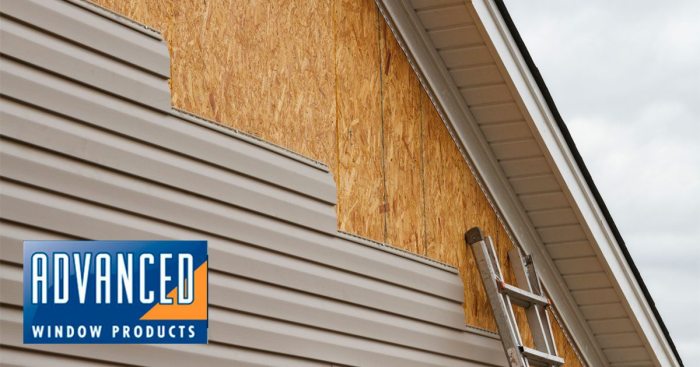
Proper maintenance and care are essential for ensuring the longevity and performance of waterproof vinyl siding systems. By regularly maintaining your siding, you can keep it in top condition and prevent any issues that may arise.
Regular Maintenance Tasks
- Inspect the siding for any signs of damage, such as cracks, chips, or warping, and address them promptly to prevent further damage.
- Clean the siding at least once a year to remove dirt, grime, and any mildew that may have accumulated.
- Trim any bushes, trees, or plants near the siding to prevent damage from branches or foliage.
- Check the caulking around windows, doors, and other openings to ensure a tight seal and reapply caulk if needed.
Proper Cleaning Techniques
When cleaning waterproof vinyl siding, it is important to use the right techniques to avoid compromising its waterproof properties. Here are some tips:
- Use a mixture of mild soap and water to clean the siding, avoiding harsh chemicals that can damage the vinyl.
- Start cleaning from the bottom and work your way up to prevent streaking.
- Rinse the siding thoroughly with clean water after washing to remove any soap residue.
- Avoid using pressure washers at high settings, as they can damage the siding and strip away the waterproof coating.
Tips for Extending Lifespan
By following these maintenance tips, you can extend the lifespan of your waterproof vinyl siding system:
- Regularly inspect and clean the siding to prevent dirt buildup and damage.
- Address any issues or damage promptly to prevent further deterioration.
- Consider applying a protective coating or sealant to enhance the waterproofing properties of the siding.
- Consult with a professional if you notice any significant damage or issues that require repair.
End of Discussion
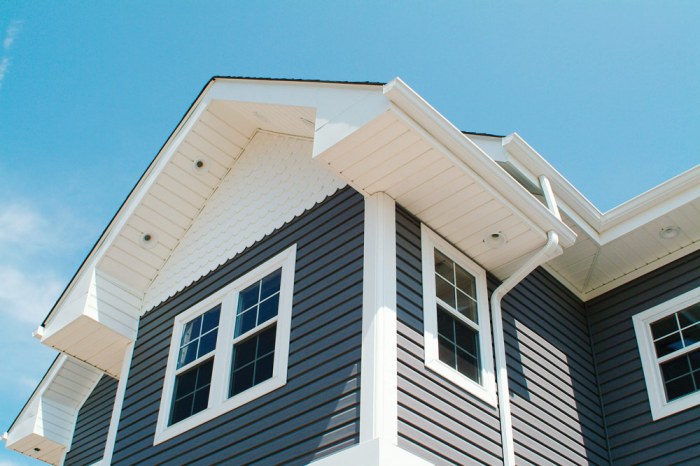
As we conclude our exploration of waterproof vinyl siding systems, it's evident that investing in this durable solution can enhance both the aesthetics and functionality of your home. With proper installation and maintenance, your exterior will stand strong against the elements for years to come.
FAQ Compilation
What are the key benefits of waterproof vinyl siding systems?
Waterproof vinyl siding offers superior protection against moisture, is low maintenance, and comes in a variety of styles.
How do you properly clean waterproof vinyl siding?
Use a mixture of water and mild soap, along with a soft brush or cloth, to clean waterproof vinyl siding without compromising its waterproof properties.
What maintenance tasks are essential for preserving waterproof vinyl siding?
Regular cleaning, inspecting for damage, and ensuring proper drainage are key maintenance tasks to keep waterproof vinyl siding in top condition.