


Exploring the world of siding solutions for commercial buildings unveils a plethora of options designed to enhance both functionality and aesthetics. From durable materials to eco-friendly choices, this guide delves into the diverse landscape of siding solutions, offering insights that pave the way for informed decision-making.
Delving deeper, we examine the factors that influence the selection of siding solutions, the importance of weather resistance, and the impact of aesthetics on the overall appearance of commercial structures.
Types of Siding Solutions
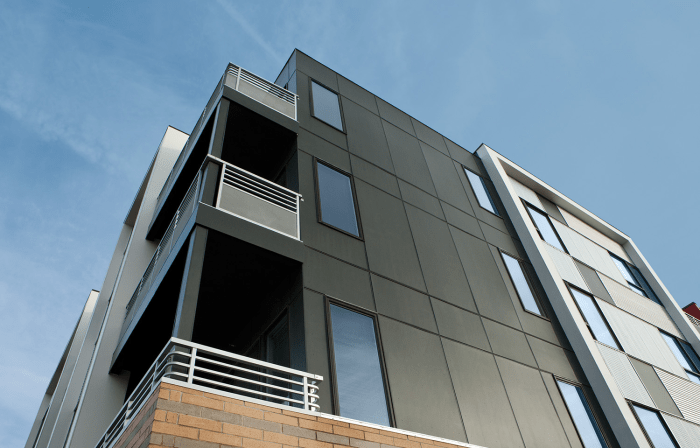
When it comes to siding solutions for commercial buildings, there are several options to choose from. Each type of siding material has its own set of pros and cons, as well as varying levels of durability and maintenance requirements.
Vinyl Siding
Vinyl siding is a popular choice for commercial buildings due to its affordability and low maintenance requirements. It is available in a wide range of colors and styles, making it a versatile option. However, vinyl siding may not be as durable as other materials and can be prone to cracking or fading over time.
Metal Siding
Metal siding, such as steel or aluminum, is known for its durability and resistance to fire, rot, and insects. It can also provide a modern and sleek look to commercial buildings. On the downside, metal siding can be more expensive than other options and may require professional installation.
Fiber Cement Siding
Fiber cement siding is a blend of cement, sand, and cellulose fibers, offering a durable and low-maintenance solution for commercial buildings. It is resistant to fire, rot, and insects, and comes in a variety of textures and finishes. However, fiber cement siding can be heavy and may require special tools for installation.
Wood Siding
Wood siding provides a natural and traditional look to commercial buildings, adding warmth and character. It is eco-friendly and can be easily painted or stained to match the building's aesthetic. However, wood siding requires regular maintenance, such as staining and sealing, to prevent rot and decay.
Brick Siding
Brick siding is a timeless and classic choice for commercial buildings, offering durability and low maintenance. It provides excellent insulation properties and can withstand harsh weather conditions. The downside of brick siding is its higher cost compared to other materials and the labor-intensive installation process.
Factors to Consider
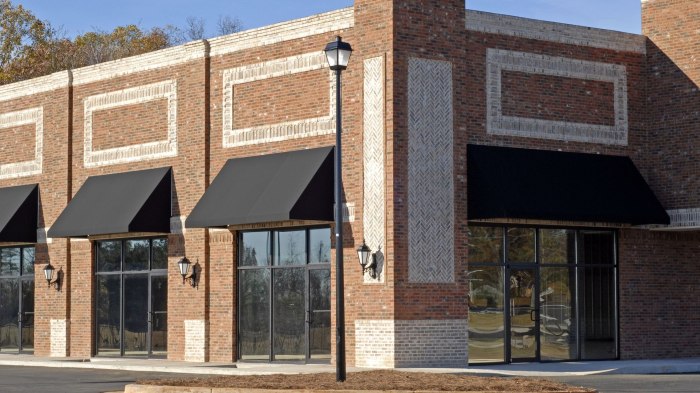
When selecting siding solutions for commercial buildings, there are several key factors to take into consideration to ensure the longevity and functionality of the building. One crucial factor is weather resistance in siding materials, as they need to withstand various elements to protect the structure.
Additionally, aesthetics play a significant role in choosing the right siding to enhance the overall appearance of the commercial building.
Importance of Weather Resistance
Weather resistance is a critical factor to consider when selecting siding solutions for commercial buildings. The siding material should be able to withstand harsh weather conditions such as heavy rain, snow, wind, and extreme temperatures without deteriorating. This is essential to ensure the durability and longevity of the building, preventing costly repairs or replacements in the future.
Siding materials with high weather resistance, such as vinyl or fiber cement, are ideal choices for commercial buildings located in areas prone to severe weather.
Role of Aesthetics
Aesthetics also play a crucial role in choosing the right siding for a commercial building. The exterior appearance of a building contributes to its overall image and brand identity. Selecting siding materials that complement the architectural style and design of the building can enhance its curb appeal and attract customers or tenants.
Factors such as color, texture, and pattern should be considered to create a cohesive and visually appealing look for the commercial property.
Installation Techniques
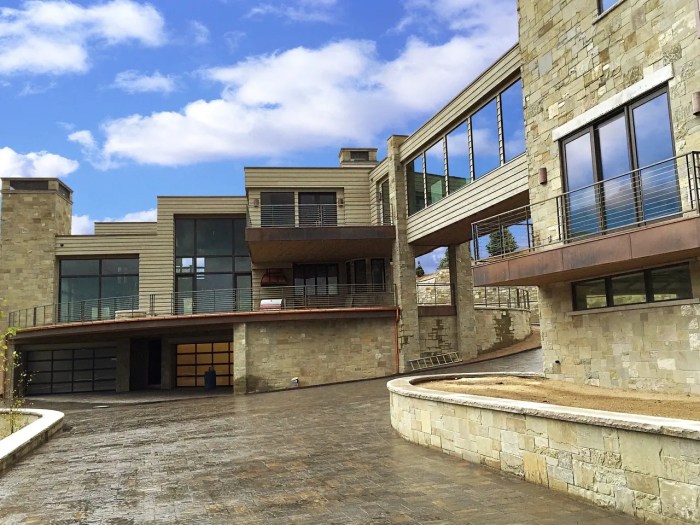
Proper installation of siding on commercial buildings is crucial for both aesthetics and functionality. Using the right techniques ensures durability and energy efficiency for the structure.
Common Techniques
- Horizontal Installation: One of the most common techniques where siding panels are installed horizontally, overlapping each other to create a seamless look.
- Vertical Installation: Another popular method where siding panels are placed vertically, offering a different aesthetic appeal.
- Shingle Installation: Siding panels are installed in a shingle-like pattern to create a unique texture on the building's exterior.
Importance of Proper Insulation
Proper insulation during the siding installation process is essential for maintaining energy efficiency within the building. Insulation helps regulate temperature, reduce energy costs, and provide soundproofing benefits.
Considerations for Large Commercial Structures
- Weather Conditions: Large commercial buildings are more exposed to harsh weather elements, so choosing durable siding materials is crucial.
- Structural Support: The size and weight of siding panels for large buildings require adequate structural support to prevent sagging or damage over time.
- Professional Installation: Due to the scale of the project, it's important to hire experienced professionals who can handle the complexities of installing siding on large commercial structures.
Sustainability and Energy Efficiency
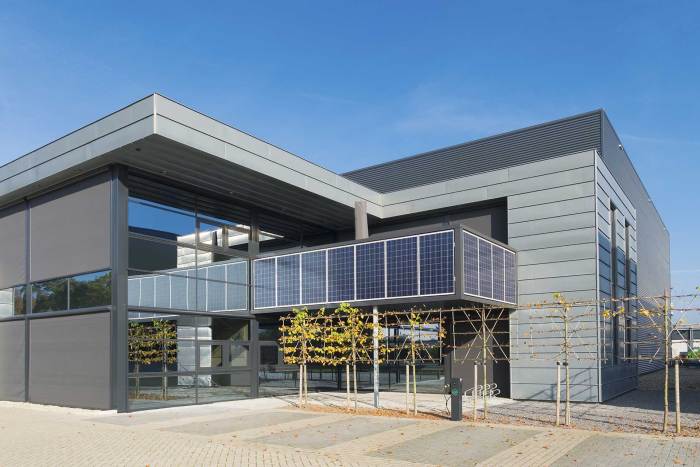
When it comes to siding solutions for commercial buildings, sustainability and energy efficiency are crucial factors to consider. Choosing the right siding material can not only enhance the aesthetic appeal of a building but also contribute to its overall energy performance and environmental impact.
Sustainable Siding Solutions
There are various sustainable siding options available for commercial buildings that are not only durable but also environmentally friendly. Some examples include:
- Fiber Cement Siding: Made from a combination of cement, sand, and cellulose fibers, fiber cement siding is highly durable, resistant to rot and insects, and can be recycled.
- Wood Siding: When sourced from sustainable forests, wood siding can be a renewable and eco-friendly option. It also provides natural insulation properties.
- Metal Siding: Metal siding, such as steel or aluminum, is recyclable and can have a long lifespan, reducing the need for frequent replacements.
Energy Efficiency Benefits
Choosing the right siding material can significantly impact a building's energy efficiency. Some ways different siding materials can contribute to energy efficiency include:
- Insulation: Some siding materials, like wood and fiber cement, offer natural insulation properties, helping to regulate indoor temperatures and reduce heating and cooling costs.
- Reflectivity: Light-colored siding materials, such as metal or vinyl, can reflect sunlight and reduce heat absorption, leading to lower energy consumption.
- Air Infiltration: Siding materials that are properly installed and sealed can prevent air leaks, improving the overall energy performance of a building.
Benefits of Eco-Friendly Siding Options
Eco-friendly siding options not only contribute to a building's sustainability but also offer various benefits such as:
- Reduced Environmental Impact: Choosing sustainable siding materials helps reduce waste and overall environmental impact, contributing to a greener future.
- Improved Indoor Air Quality: Some eco-friendly siding options are free from harmful chemicals and toxins, promoting better indoor air quality for building occupants.
- Long-Term Cost Savings: While eco-friendly siding materials may have a higher initial cost, they often require less maintenance and can lead to long-term cost savings in terms of repairs and replacements.
Conclusive Thoughts
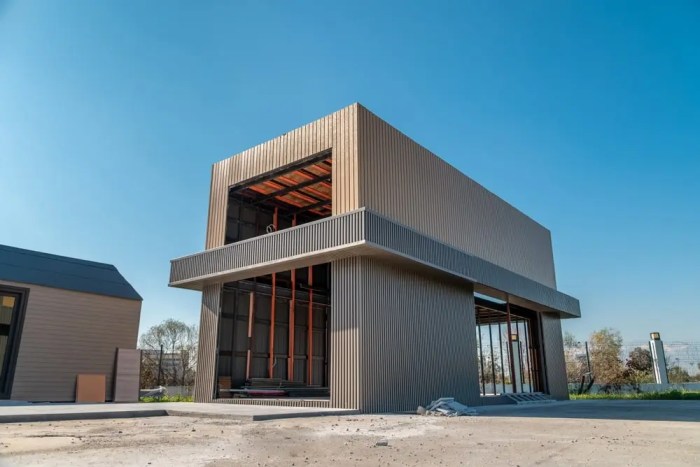
In conclusion, siding solutions for commercial buildings are not just about protection and durability—they embody a fusion of practicality and style. By understanding the nuances of different materials and installation techniques, one can transform a mundane exterior into a masterpiece of architectural design.
FAQ Compilation
What are the most common types of siding solutions used for commercial buildings?
Common choices include vinyl, fiber cement, metal, and wood siding, each with its own set of benefits and drawbacks.
How important is weather resistance when selecting siding for commercial buildings?
Weather resistance is crucial to ensure the longevity and structural integrity of a commercial building, protecting it from elements like rain, wind, and sunlight.
What are some sustainable siding options suitable for commercial buildings?
Sustainable options like recycled metal, engineered wood, and fiber cement siding offer eco-friendly alternatives that contribute to energy efficiency and environmental conservation.